

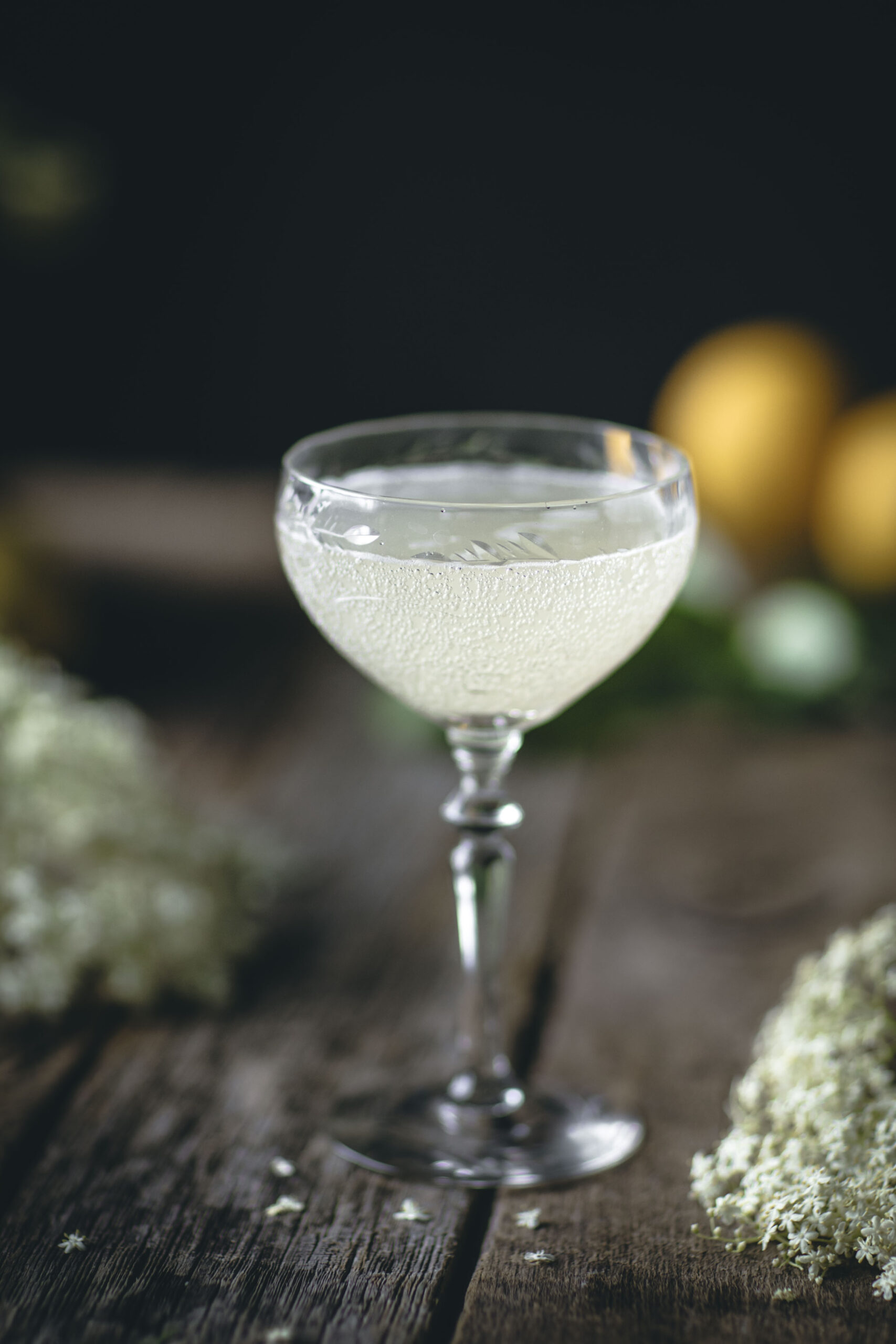
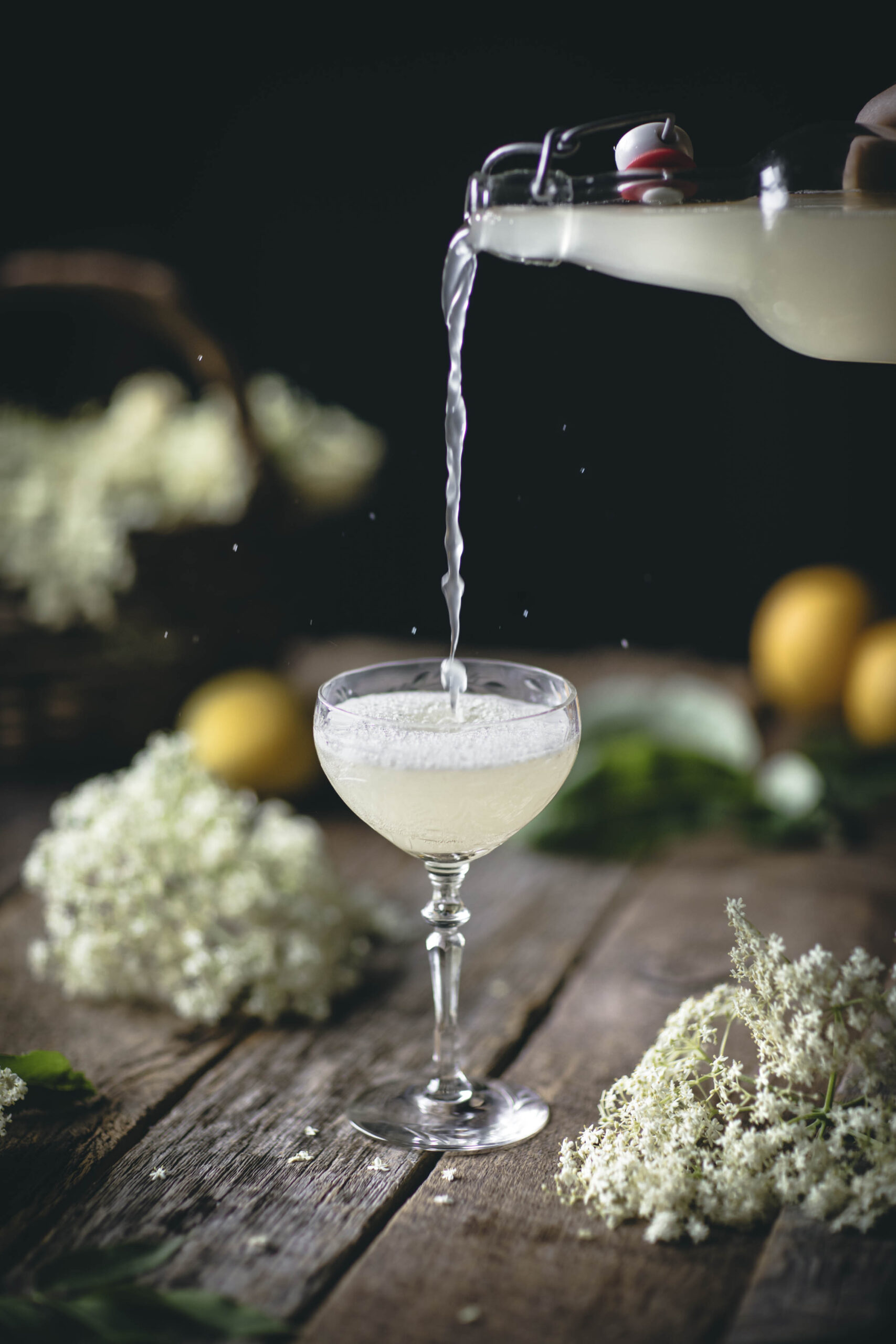
Yesterday at dusk I saw the first little fawn (i.e. baby deer) of the year. There were two, in fact, hobbling tenderly behind their mama along the ridge behind the backyard. I cannot get over how tiny their little heads are, (and the dusting of white speckles on their back! Adorable.) It is a sign that spring is near its close, and with it comes the last gasp of one of my favorite spring treasures—the elderflower. To immortalize its flavor (at least until the bottle is empty), I like to make an elderflower lemon champagne.
 Champagne Yeast or Wild Yeast?
Many folks make this without adding any additional yeast, and just use the wild yeast that exists on the elderflower blossoms. You can most certainly try it this way, and have a lot of fun adventures and flavors along the way! If you’re interested in it, you can read more about the wild yeast soda process here. The thing is—I cannot guarantee as reliable an outcome, since wild yeast is less predictable than using a specific external yeast strain like champagne yeast. So if it’s your first time making a homemade soda/”champagne”, or you want to make sure it works every time, this method will give you a more fail-safe result and the same consistently delicious flavors over and over again. The choice is yours, dear reader!
Making Elderflower Lemon Champagne
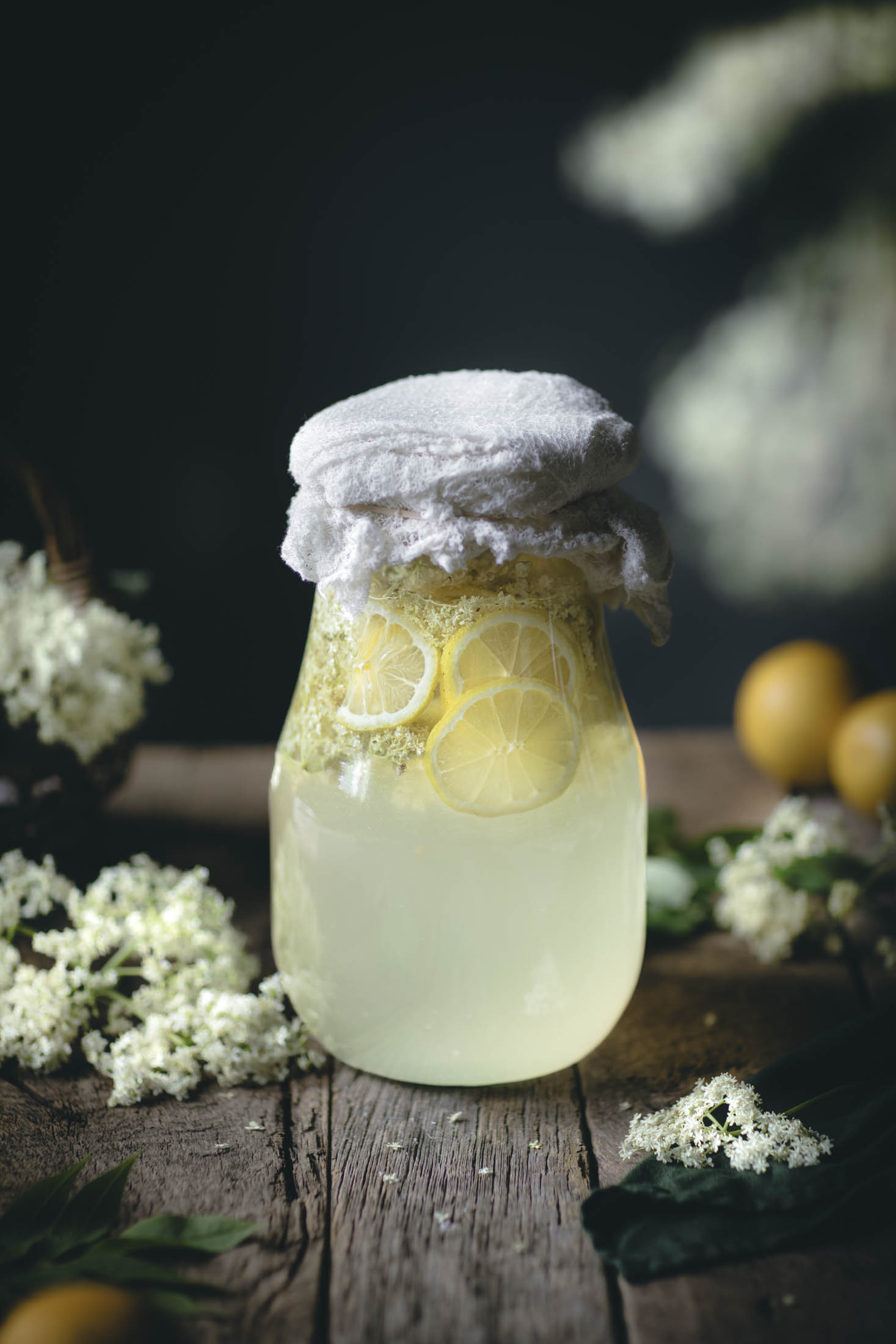
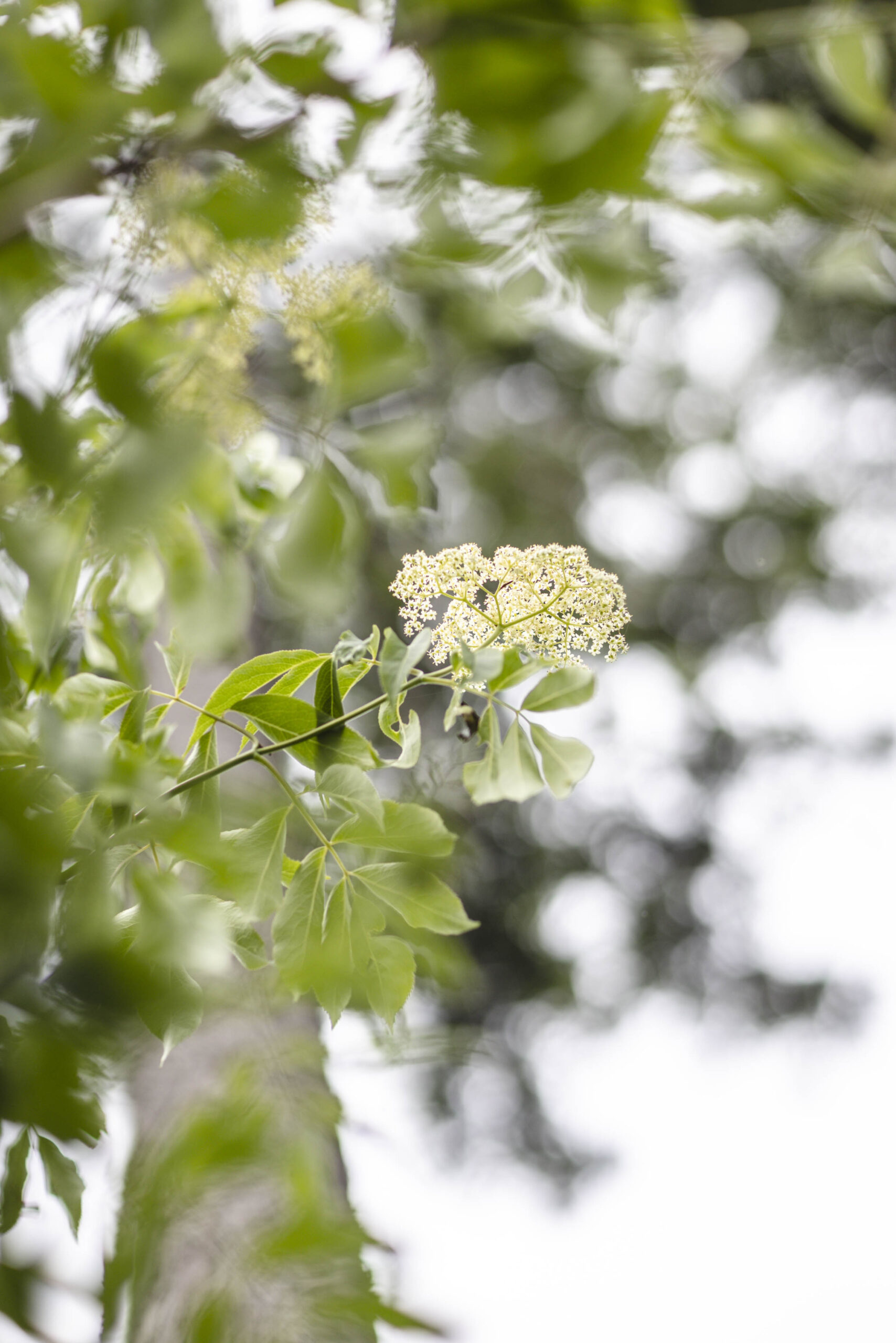
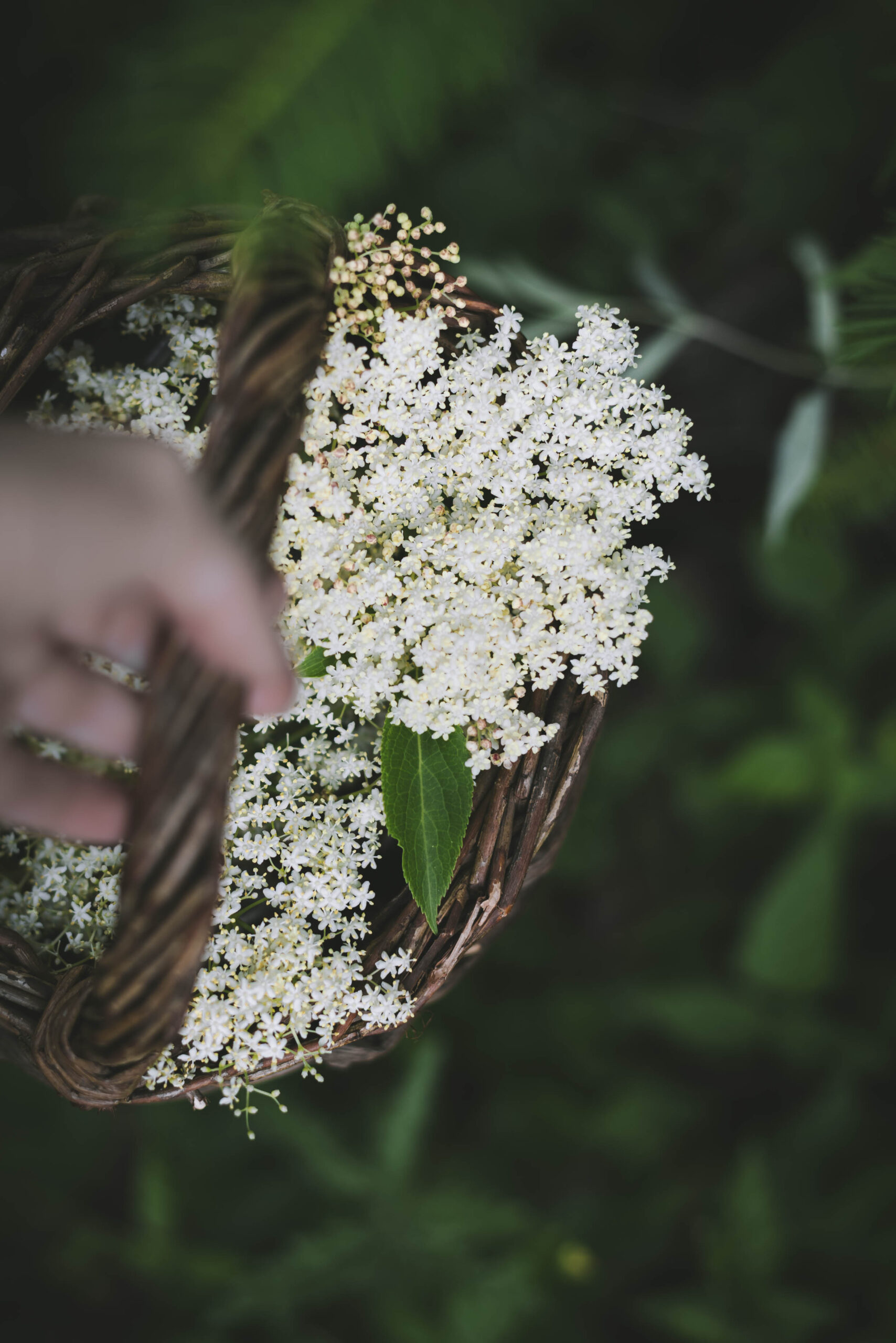
Honestly, the most time consuming part is harvesting the elderflower blossoms, which takes about 15 minutes (or if you’re short like me and need to bring a step ladder to reach the best blossoms, closer to 20). Once you have them in tow and are tucked away indoors again, you just stir together the sugar, sliced lemon, water, and a pinch of yeast until they’re combined, and then you gently press the elderflowers into the mixture so they’re submerged.
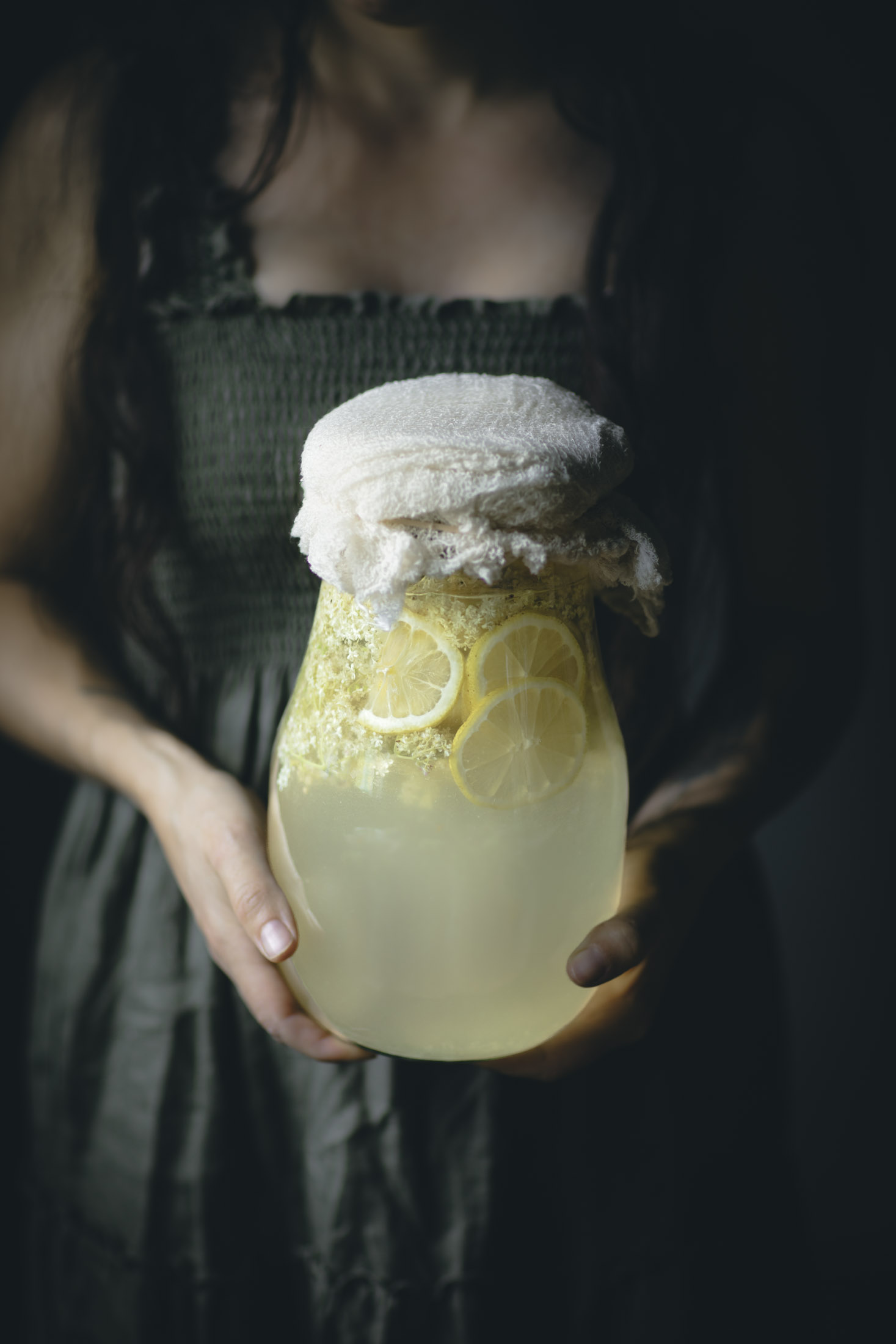
Cover it with a cloth secured with a rubber band around the jar, and that’s it! You just stir it 3x a day for for 3 days, strain it, and you have your wonderful homemade elixir that tastes like a concentration of spring sunshine. Bright, floral, delicate, and effervescent. It’s perfection personified, in my humble opinion. And if you’re looking for some more floral recipes to tickle your fancy, may I point you towards my rosemary blossom lemonade or my jasmine cinnamon rolls with a whiskey glaze. Enjoy my friend!
Elderflower Lemon Champagne
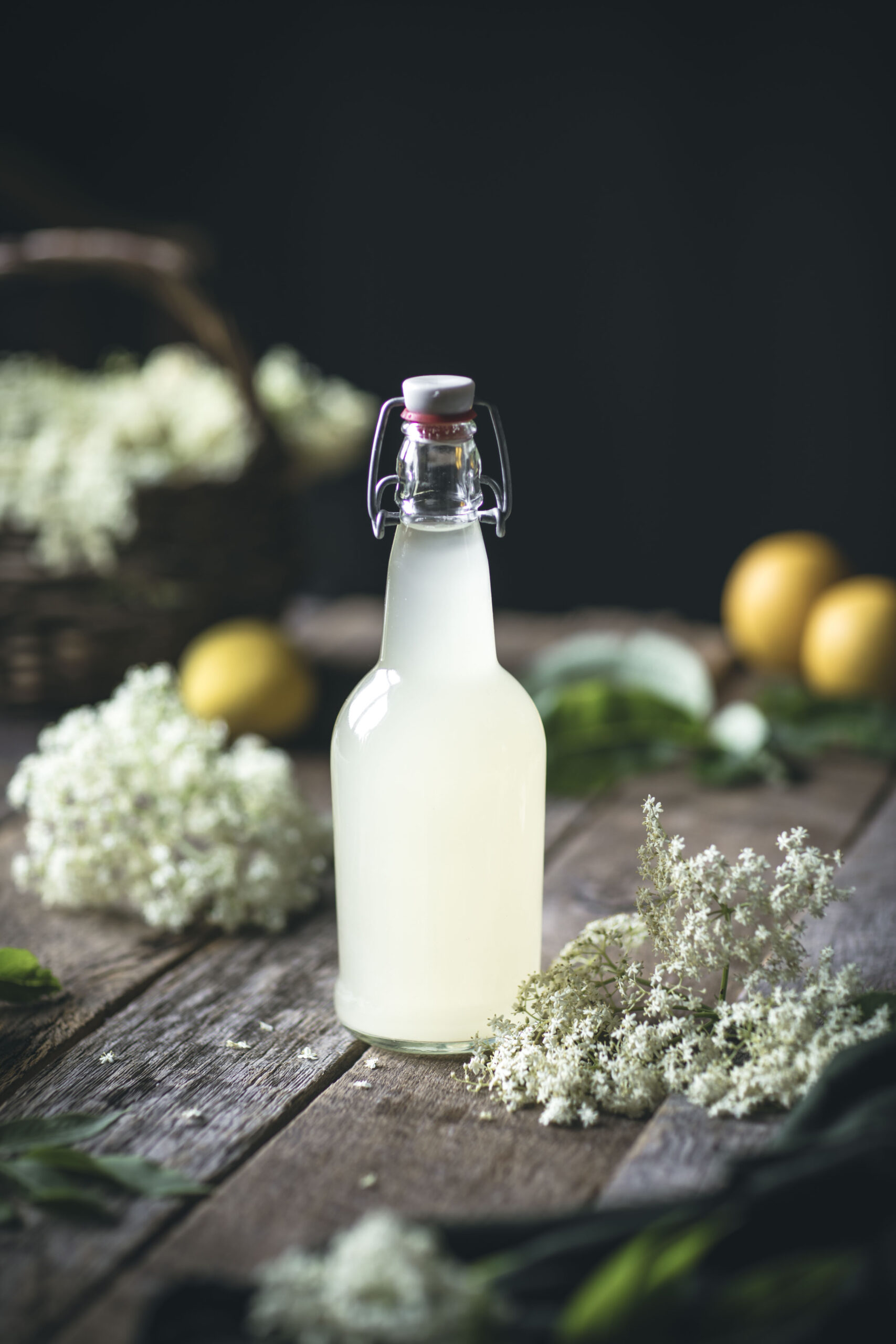
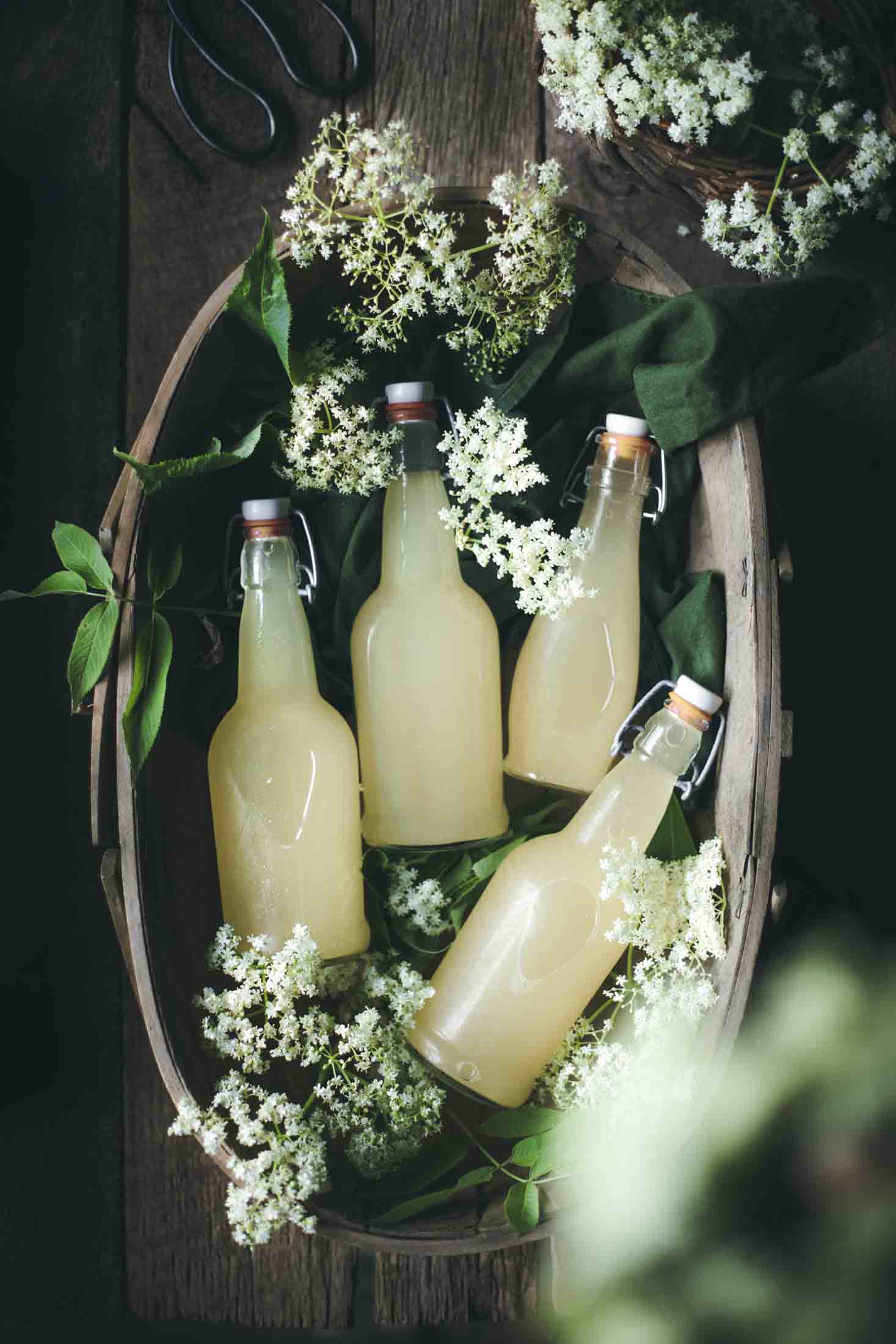
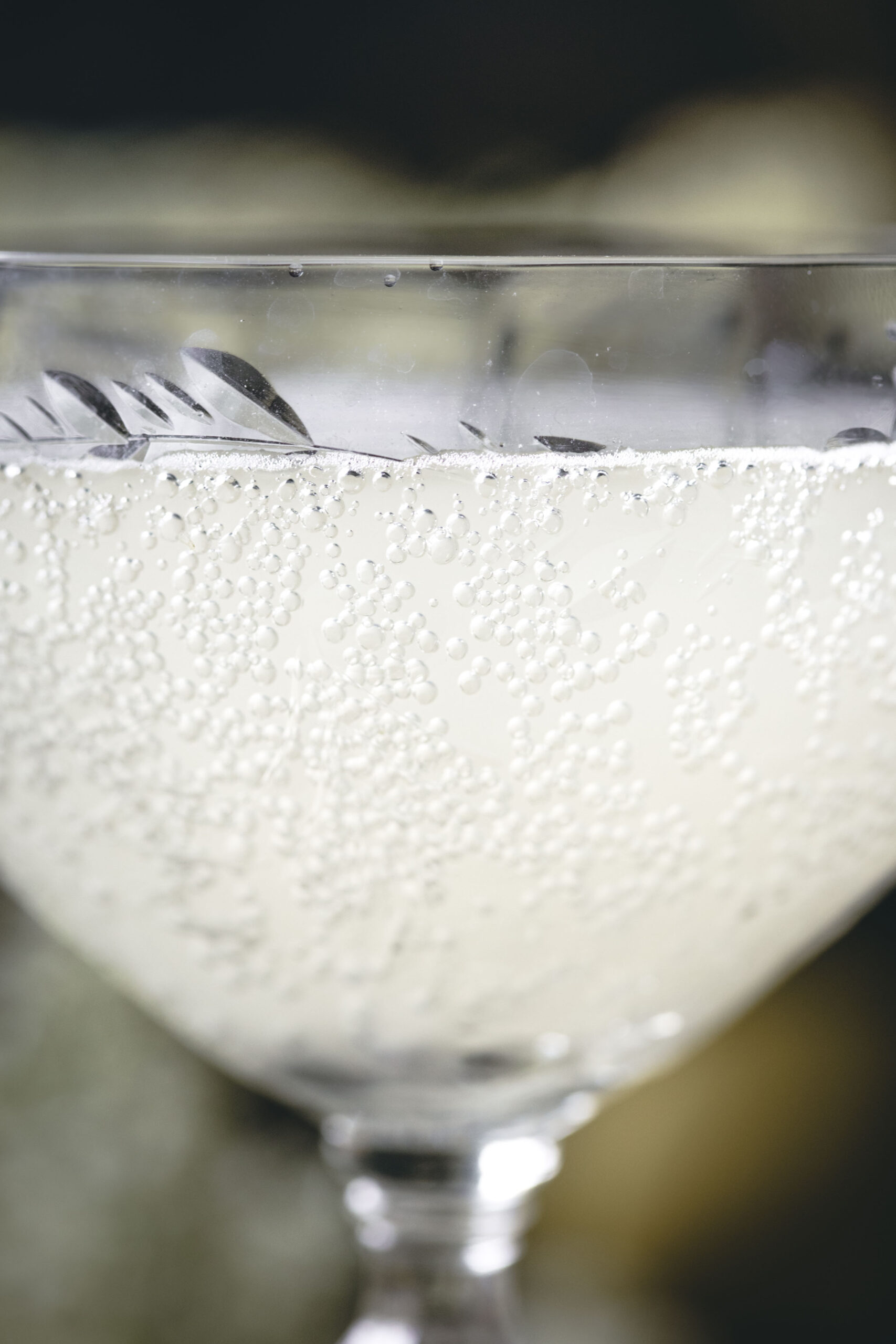
This bright, floral, and effervescent beverage is spring personified. And—it's also very easy to make! With sugar, water, lemon, elderflower, and a pinch of champagne yeast, it takes just a handful of minutes to assemble and leaves you with several bottles to enjoy over a period of weeks. A true treat!
Ingredients
- 1 organic lemon thinly sliced
- ½ pound sugar
- 7 1/4 cups filtered water do not use tap water as the chlorine may kill the yeast
- Pinch of champagne yeast (EC 1118) https://amzn.to/3RYmmWo
- 8 to 10 heads of elderflower
- 64 ounce mason jar or (2) 32-ounce glass mason jars
- Muslin cloth or cheese cloth
- 4 16-ounce swing-top bottles https://amzn.to/4dZkEfY
Instructions
-
If using two mason jars, follow the below directions and evenly distribute the ingredients between the two jars.
-
Add the lemons, sugar, water, and a pinch of champagne yeast to the jar and stir to combine (a long cocktail spoon works great for stirring deep jars). Add the elderflowers and, using clean hands, press them down into the mixture.
-
Place a muslin cloth or any clean cloth over the top of the jar and secure it with a rubber band. Stir the mixture morning, afternoon, and evening for the next three days. Then strain it and evenly distribute it between the swing top bottles (I use a ladle and a funnel to minimize spillage and splashing). Close the tops of the bottles and refrigerate.
-
I recommend enjoying them within 4 weeks, as the drinks will continue to ferment in the bottle at a very slow pace. If you let them sit for several months you may get a bit of a geyser when you open it, so it’s best not to be too precious about it.



Can you make this with honey instead? If so, how much would I use? Thank you!
Yes you definitely can! You would use 6 ounces of honey by weight (when you swap honey for sugar it’s typically 75% of the sugar amount since honey is sweeter). It will add a wonderful extra floral flavor to it!
Looks delicious! Does the finished product contain alcohol?
Thanks Maria! Yes it does but not much. It’s closer to the amount of alcohol found in kombucha rather than actual champagne 👍